
Expert Fly Control & Removal
Flies are more than just an annoyance—they pose serious health risks by spreading dangerous diseases including E. coli, Salmonella, and typhoid. At Catch A Rat Pest Solutions, we understand the urgency of fly infestations and provide rapid, effective solutions.
With over 240,000 fly species in the UK, including house flies, cluster flies, bluebottles, and greenbottles, professional identification and treatment is essential. Our RSPH Level 2 certified technicians use advanced methods to permanently eliminate flies from your property.

Signs of Fly Infestation
Large Numbers
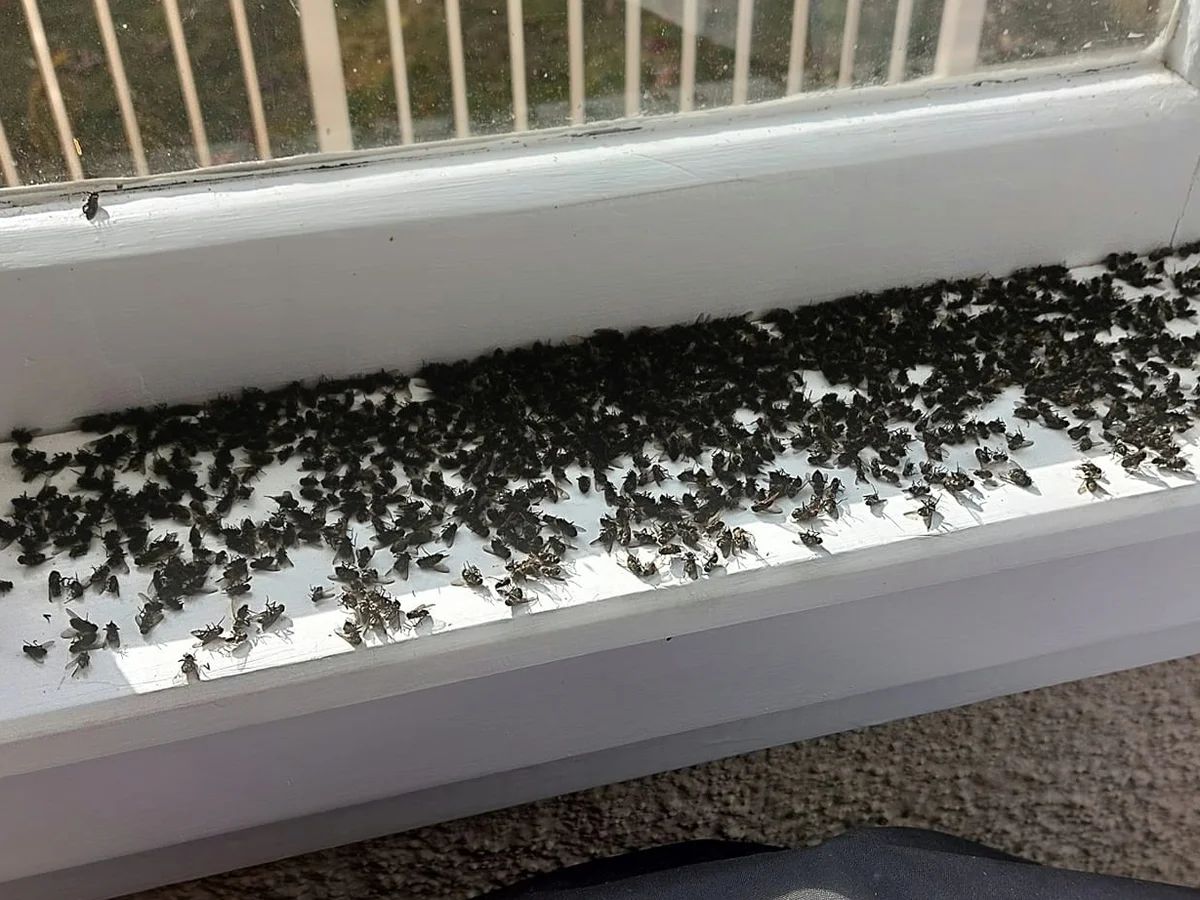
Clusters of flies indoors, especially around windows and lights
Dead Flies
Multiple dead flies around windowsills, floors, and light fixtures
Maggots
Larvae found in waste areas, bins, or hidden corners that mature in about 10 days
Dark Spots
Black dots on walls and ceilings indicating cluster fly presence
Buzzing Sounds
Persistent buzzing noise from walls, windows, or specific areas
Regular Activity
Flies appearing consistently despite attempts to remove them
Our Fly Control Process
Professional fly elimination in four comprehensive steps
All Species Covered
Effective treatment for house flies, cluster flies, bluebottles, greenbottles, and more
Safe & Effective
Environmentally friendly treatments that are safe for your family and pets
Qualified Experts
RSPH Level 2 certified technicians with extensive fly control experience
Stop Flies From Spreading Disease
Protect your health and hygiene with professional fly control. Our team provides fast, effective solutions.
Call Now: 07346 145291Fly Control FAQs
Get answers to common questions about our services
What attracts flies to my home?
Flies are attracted to food waste, uncovered bins, pet waste, compost, drains, spilled liquids, and decomposing organic matter. Different species have different preferences - house flies seek general waste, fruit flies target fermenting foods, drain flies breed in organic matter in drains, and cluster flies seek warm overwintering sites. Eliminating attractants is crucial for prevention.
How quickly do flies reproduce?
Flies reproduce extremely rapidly. House flies can lay 500 eggs in a lifetime, with eggs hatching in 24 hours and maturing to adults in 7-10 days. In warm conditions, one pair can produce millions of descendants in months. This rapid reproduction means small fly problems quickly become severe infestations requiring immediate professional treatment.
What diseases do flies carry?
Flies carry over 100 pathogens including E.coli, salmonella, typhoid, cholera, dysentery, and tuberculosis. They pick up bacteria from waste, animal faeces, and decaying matter, then contaminate food and surfaces. Each fly can carry millions of bacteria. Professional elimination is essential for protecting health, especially in homes with vulnerable individuals or food preparation areas.
How long does fly treatment last?
Treatment effects are immediate for adult flies, with most dying within hours. However, larvae and pupae continue developing, so some activity may persist for 1-2 weeks. Follow-up treatments may be needed for severe infestations. Combining treatment with sanitation improvements provides long-term control. Residual treatments protect against new flies for several weeks.
Do I need to leave during fly treatment?
It depends on treatment method. Fogging and fumigation require temporary evacuation (2-4 hours). Residual spray treatments allow immediate return once surfaces dry (30-60 minutes). We provide clear safety instructions specific to your treatment. Always keep pets, children, and food items away during treatment. Follow all aftercare advice for safe, effective results.
Can I prevent flies without professional help?
Prevention helps but professional treatment is often necessary for existing infestations. Preventive measures include proper waste management, covering bins, cleaning spills immediately, maintaining drains, installing fly screens, and eliminating breeding sites. However, established infestations require professional treatment to eliminate breeding populations and break the reproductive cycle completely.